
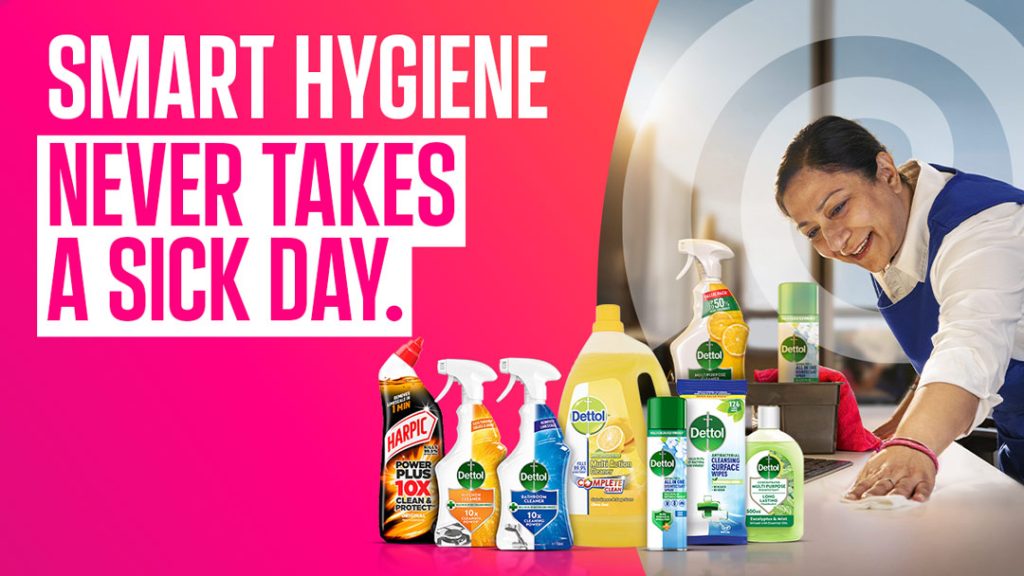
As the days get shorter and temperatures drop, we naturally spend more time indoors. Schools become busy again, workplaces fill up, GP surgeries see increased demand, and care homes prepare for one of the most challenging periods of the year.
It’s also the time when colds, flu and other respiratory infections become more prominent.
While cleaning alone cannot prevent people from catching a cold or flu, good hygiene and regular cleaning can play an important role in reducing the spread of germs on frequently touched surfaces — particularly in shared environments.
Why does winter matter?
During autumn and winter, people spend more time indoors and in closer proximity to one another. Respiratory viruses including influenza, RSV, COVID-19 and the viruses responsible for the common cold can circulate at the same time.
That creates a particular challenge in places where lots of people share the same facilities.
In schools, children regularly share desks, equipment and communal spaces. In workplaces, colleagues use shared kitchens, meeting rooms, desks, doors and washrooms. GP surgeries bring together patients who may already be unwell, while care homes have the added responsibility of protecting older and potentially more vulnerable residents.
In other words, the everyday surfaces around us matter.
Think beyond the obvious
When we think about cleaning, floors, bathrooms and kitchens are usually top of the list. But during cold and flu season, it’s worth paying particular attention to the surfaces people touch repeatedly throughout the day.
Think about:
- Door handles and push plates
- Light switches
- Desks and tables
- Phones and keyboards
- Taps and toilet flushes
- Handrails
- Shared kitchen surfaces
- Remote controls
- Frequently handled equipment
These are the areas where a simple, consistent cleaning routine can make a real difference to overall hygiene.
From the classroom to the care home
The importance of good hygiene becomes particularly clear when we look at different shared environments.
Schools bring large numbers of children together every day, creating plenty of opportunities for infections to circulate. Workplaces can then provide another route for viruses to move between households and colleagues.
Healthcare environments face a different challenge. GP surgeries may see increased numbers of people seeking advice or treatment while respiratory infections are circulating, making effective cleaning and infection-control practices especially important.
And in care homes, the stakes can be higher still. UK surveillance found that 81% of reported acute respiratory infection incidents in closed settings between October 2023 and April 2024 occurred in care homes.
For people responsible for cleaning these environments — and for consumers cleaning their own homes — this reinforces the importance of having the right products available when they are needed.
Cleaning is part of the bigger picture
There is no single solution to stopping winter illnesses.
Handwashing, good ventilation, covering coughs and sneezes, staying away from others when feeling unwell and following appropriate vaccination advice all have an important role to play.
Cleaning sits alongside these measures.
Using an appropriate cleaning or disinfecting product on frequently touched surfaces can help maintain a more hygienic environment, particularly when used according to the product instructions.
And importantly, different products do different jobs. A general-purpose cleaner can remove dirt and grime, while a suitable disinfectant is designed to reduce microorganisms on surfaces when used correctly. Always check the product label and follow the manufacturer’s instructions, including contact time where applicable.
Be ready before the bugs arrive
By the time winter illness is circulating widely, it’s not the ideal time to discover that you’re running low on cleaning essentials.
A little preparation in October and November can help households, workplaces, schools and other shared environments maintain a consistent cleaning routine throughout Q4.
So as we head into the colder months, it’s worth taking a fresh look at the places we use every day.
Clean surfaces. Good hygiene. Better preparation.
Because when winter brings the bugs indoors, being prepared is one simple thing we can all do.